訪日外国人観光客の増加に伴い、日本国内でレンタカーを利用して自動車を運転するケースが増えている。いっぽうで、交通ルールや運転環境の違いから、事故防止に向けた課題も指摘されている。
●交通ルール・運転習慣の違い(左側通行など)
大きな課題の一つが、交通ルールや運転習慣の違いだ。日本は左側通行を採用しており、右側通行の国・地域から訪れた観光客にとっては、交差点での進行方向や車線選択に戸惑いが生じやすい。標識や路面表示も日本語表記が中心で、意味を充分に理解できないまま運転するケースがある。
●国際運転免許制度の複雑さ
運転免許制度の違いも課題だ。日本で運転するためには、1949年ジュネーブ条約に基づく国際運転免許証、または一部国・地域との免許切替制度が必要となる。制度を正しく理解しないまま来日し、レンタカー利用時に混乱が生じる事例もある。
こうした背景から、訪日外国人による交通事故は一定数発生しており、観光地や地方部では安全対策の重要性が高まっている。
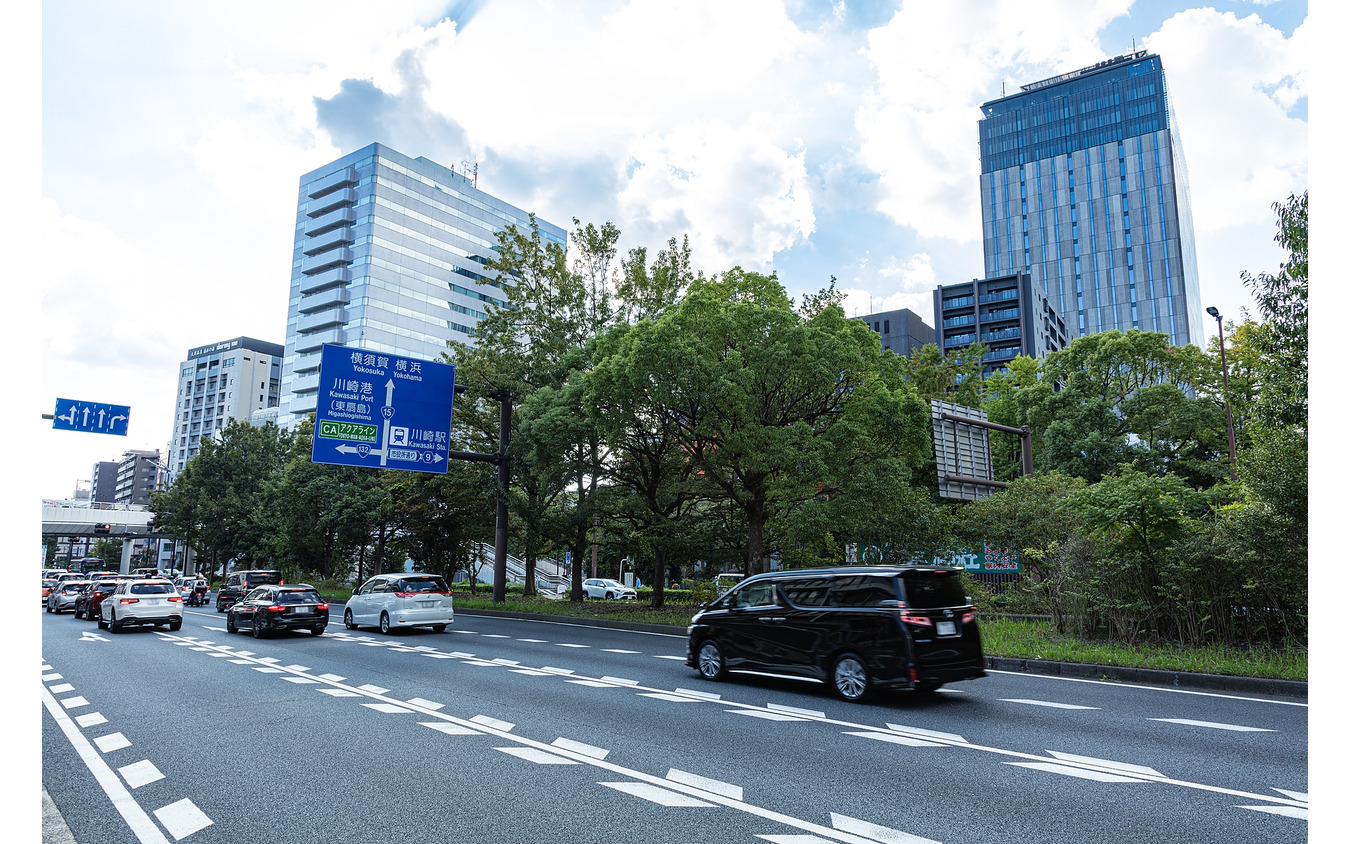 (イメージ)
●交通事故防止対策
これに対し、内閣府は、訪日外国人観光客の事故防止を重点施策のひとつに位置付けている。交通ルールや標識を解説した多言語パンフレットの整備や、レンタカー事業者と連携した注意喚起の取り組みを進めている。国土交通省も、道路標識の分かりやすさ向上や、観光地周辺での案内強化を進めている。地域によっては、雪道走行など日本特有の道路環境に対応した安全啓発も行なわれている。
業界団体では、全国レンタカー協会が、多言語による運転ルール解説や事故時対応をまとめた資料を整備し、レンタカー店舗での説明に活用している。ナビゲーションの多言語化や、外国人ドライバーであることを周囲に示すステッカーの配布も進められている。
また、日本政府観光局は、訪日前の情報提供として、レンタカー利用時の注意点や必要書類を整理し、観光客に周知している。
訪日外国人観光客のレンタカー利用は、地方観光の活性化につながるいっぽう、安全確保が不可欠。官民が連携し、交通ルールの理解促進や多言語対応を進めることが、課題だ。
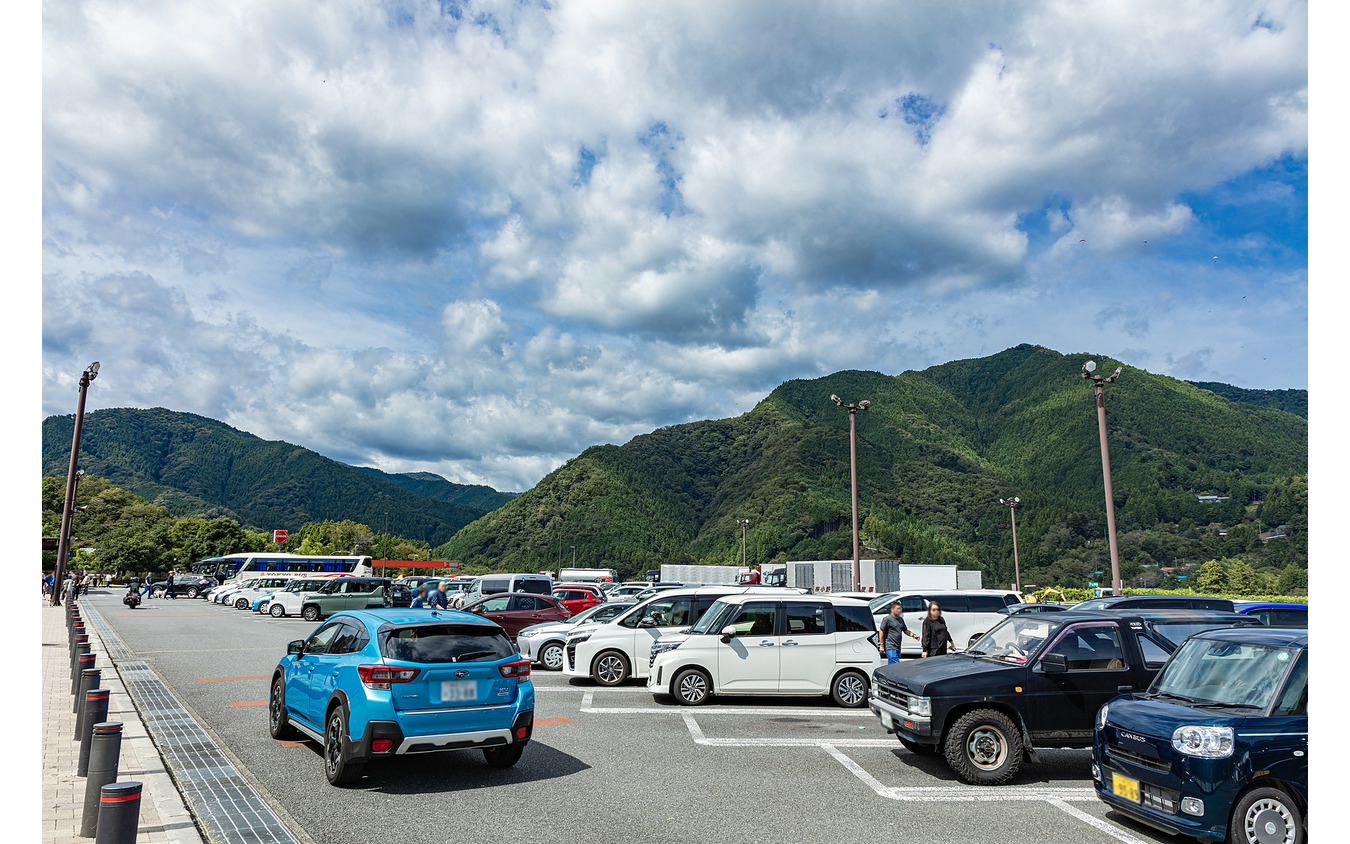 (イメージ)
 ◆Understanding Traffic Rules a Key Challenge for Foreign Tourists Driving Rental Cars in Japan
As the number of foreign tourists visiting Japan continues to rise, more visitors are choosing to drive rental cars within the country. At the same time, differences in traffic rules and driving environments have been identified as challenges in preventing traffic accidents.
●Differences in Traffic Rules and Driving Practices (Left-Side Traffic)
One of the major challenges is the difference in traffic rules and driving habits. Japan uses left-side traffic, which can confuse visitors from countries and regions where right-side traffic is the norm, particularly when navigating intersections or choosing lanes. In addition, road signs and pavement markings are mainly written in Japanese, and some drivers operate vehicles without fully understanding their meanings.
●Complexity of the International Driving Permit System
Differences in driver’s license systems also pose a challenge. To drive in Japan, visitors must hold an international driving permit issued under the 1949 Geneva Convention, or use a license exchange system applicable to certain countries and regions. In some cases, tourists arrive in Japan without fully understanding these requirements, leading to confusion when renting cars.
Against this backdrop, a certain number of traffic accidents involving foreign visitors have occurred, heightening the importance of safety measures, particularly in tourist destinations and rural areas.
●Traffic Accident Prevention Measures
In response, the Cabinet Office has positioned accident prevention involving foreign tourists as one of its priority measures. Efforts include the development of multilingual pamphlets explaining traffic rules and road signs, as well as awareness campaigns conducted in cooperation with rental car operators. The Ministry of Land, Infrastructure, Transport and Tourism is also working to improve the clarity of road signage and strengthen guidance around tourist areas. In some regions, safety awareness initiatives tailored to Japan-specific road conditions, such as driving on snowy roads, are being implemented.
Within the industry, the Japan Rent-A-Car Association has prepared materials in multiple languages explaining driving rules and procedures to follow in the event of an accident, which are used during briefings at rental car counters. Efforts are also underway to promote multilingual navigation systems and distribute stickers that indicate the vehicle is being driven by a foreign driver.
In addition, the Japan National Tourism Organization provides pre-arrival information to tourists, organizing and disseminating guidance on rental car use and required documents.
While the use of rental cars by foreign tourists contributes to the revitalization of regional tourism, ensuring safety remains essential. Strengthening understanding of traffic rules and expanding multilingual support through cooperation between the public and private sectors continues to be a key challenge.